
Construction is a risk discipline,
not a creative one.
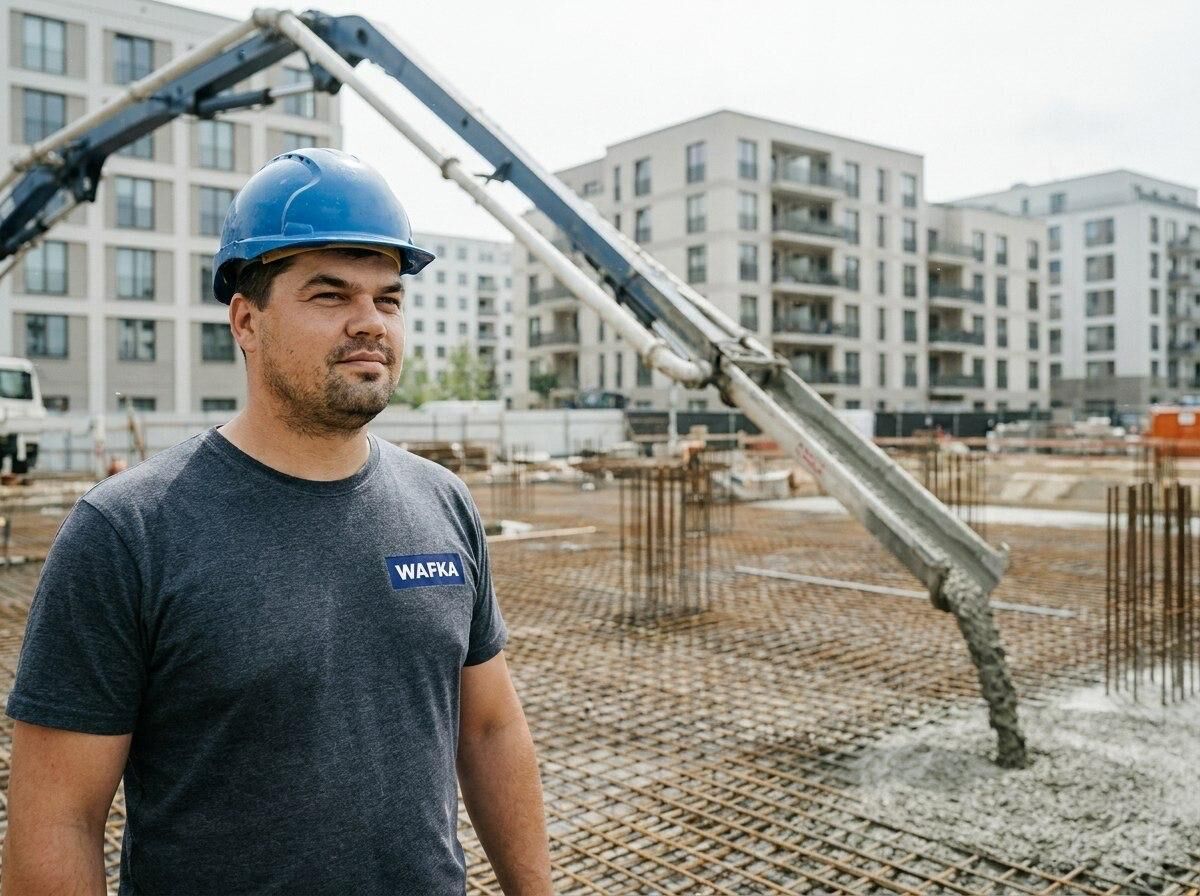
Risk priced in advance
Every project starts with a quantitative risk model: ground conditions, permit timelines, material price variance, labour availability. We invoice the price you signed — overruns are absorbed inside the contracted envelope.
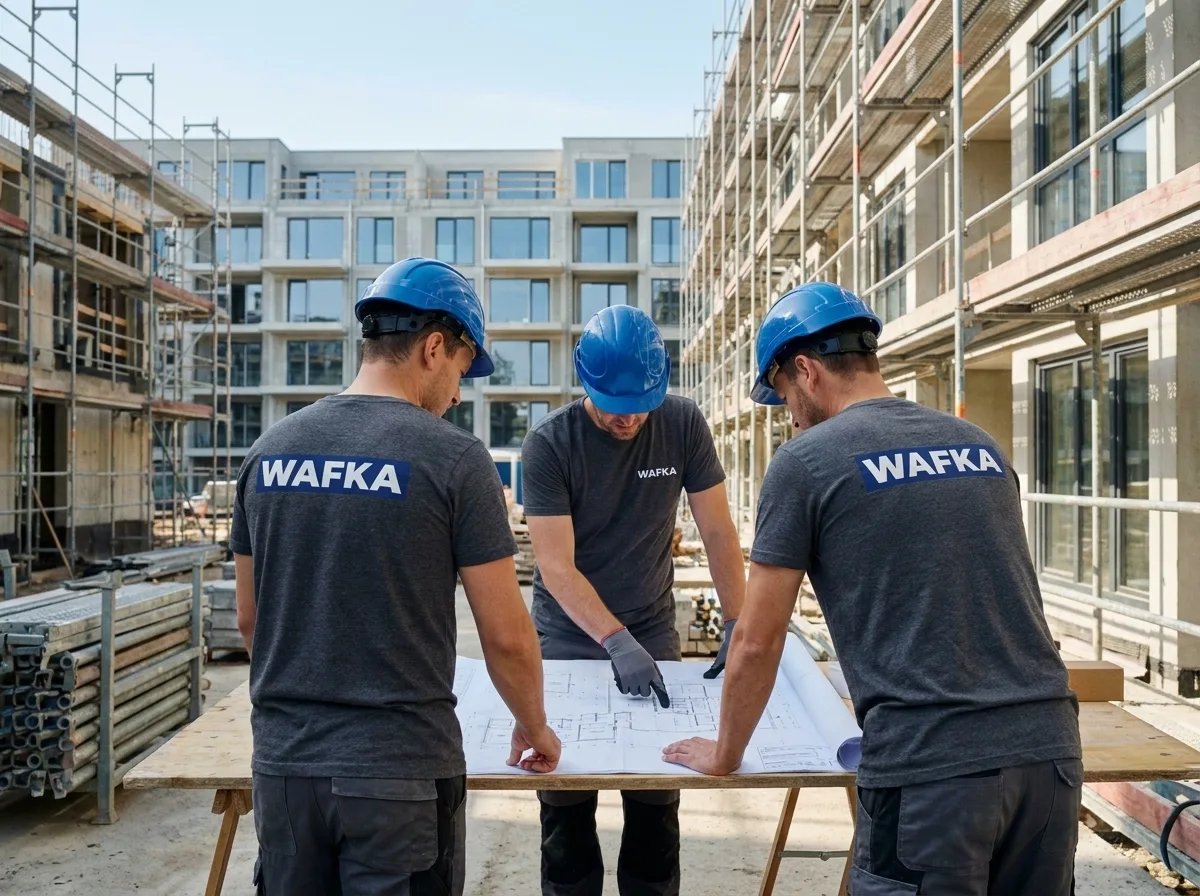
One hand on the wheel
A single project lead carries the project from first sketch to handover, with full authority over schedule, budget and trades. Investors get one phone number, one weekly status and one signature.
AI-augmented planning
Schedules, BoQs and risk registers are continuously checked against an internal model trained on completed Berlin projects. The output is faster planning cycles and earlier warnings on slippage — the decisions remain ours.
What a project looks like,
week by week.
Below is the cadence we run on every project. It does not change with deal size, asset class, or trade scope. It changes only when the investor explicitly asks for a different rhythm.
Brief signed
Site visit, scope-of-works draft, intended budget envelope and target handover are recorded against a risk register.
Risk model
Quantitative model: ground conditions, permit timeline, material price variance, labour availability. Output is a fixed price with named risk reserves.
Contract & mobilisation
One signed contract — single liability envelope. Project lead assigned. Site logistics, hoarding, welfare and crane plan in place.
Investor status
One report. Schedule curve, cost curve, top three open risks, decisions required. One phone number for change requests.
Forecast review
AI-augmented schedule and cost forecast checked against the as-built model. Slippage flagged before it shows up on the critical path.
Closeout pack
As-built drawings, O&M manuals, warranty documentation, defect-liability schedule. Five-year structural warranty active from sign-off.
Four rules we will not bend.
Fixed price means fixed.
Overruns inside our envelope are absorbed by us, not invoiced as variations. The exception is a documented client-driven scope change, signed off in writing before work proceeds.
One project lead, full authority.
Decisions on schedule, sequencing and trade coordination sit with one named lead — no committee, no escalation lottery. Investor gets one signature, one phone number, one weekly status.
AI for vigilance, humans for judgement.
Schedules, BoQs and risk registers are continuously checked against an internal model trained on completed Berlin projects. The model flags slippage; the project lead decides what to do about it.
Bad news travels fast.
Risk events are reported within 24 hours of detection, with a recommended response. Investors should not learn about a problem at the next monthly meeting — they should have already approved the response.
The cadence and the principles are non-negotiable. Everything inside that envelope — sequence, methods, materials — we tune to the project.
Start a brief